Considering the physical and emotional toll of moving, knowing effective strategies for relocating heavy furniture is vital. Each technique not only enhances safety but also ensures that your belongings are well-protected throughout the process.
Here's a summary of crucial tools, techniques, and strategies to ensure a smooth and safe moving experience. For more detailed advice on decluttering before your move, check out our decluttering tips for moving in NSW.
Engage your core, use your legs, and keep the item close to your body when lifting to avoid injuries.
Always load the heaviest items first in the moving vehicle for better stability.
When it comes to moving heavy furniture, safety should always be the top priority. I’ve seen too many people get hurt while trying to lift and shift large items without proper techniques. That’s why it’s essential to understand the importance of safe furniture moving practices—this not only protects you but also ensures that your belongings and home remain damage-free.
Using correct moving techniques can significantly reduce the risk of injury. When lifting heavy items, it's vital to engage your legs and core, rather than straining your back. By doing this, you’re less likely to experience discomfort or serious injuries, which can sideline you during the moving process.
Poor lifting techniques not only put you at risk but can also cause damage to your furniture and property. Imagine a heavy couch slipping from your grasp and leaving a dent in your wall—definitely not the mark you want to leave on your new home! Knowing how to lift safely can save you from physical pain and costly repairs. For more detailed insights into efficient moving, explore our article on efficient packing for quick moves.
Having the right tools makes all the difference when moving heavy furniture. Here are some must-have items:
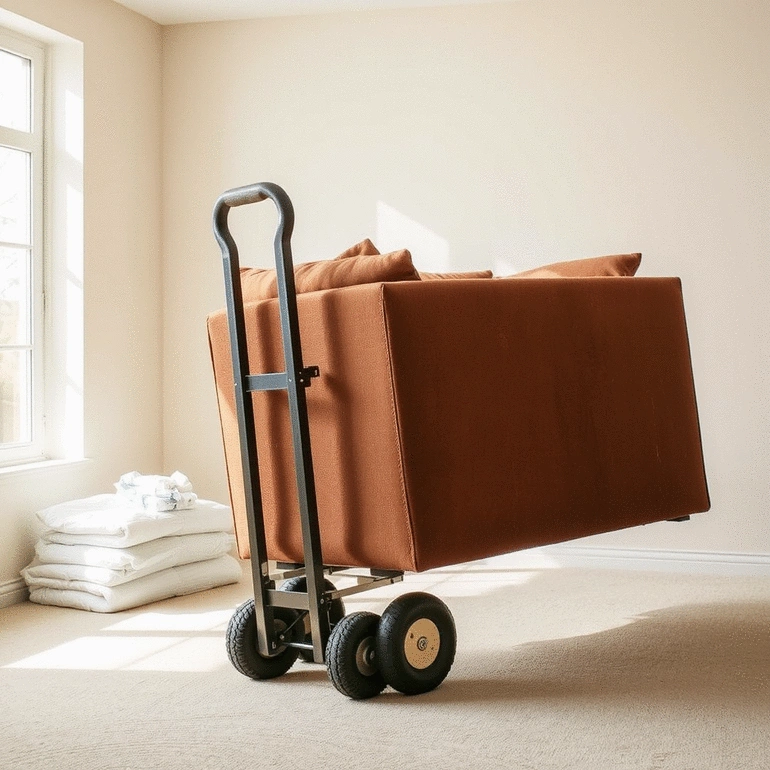
There are different types of dollies designed for specific tasks. A furniture dolly is typically a flat platform with wheels, while an appliance dolly has a vertical frame that can secure heavier items. Using these tools efficiently can make moving feel more like a breeze!
Your health is paramount, so don’t skip out on protective gear! A back brace can provide support while lifting, and wearing PPE such as gloves and knee pads can keep you safe from injury. Always prioritize your well-being during the moving process.
While packing and moving, safety goggles and gloves can protect you from sharp edges and dust. Not only do they keep you safe, but they also give you peace of mind that you’re prepared for anything. It’s all about being smart and cautious, right?
Before you even think about lifting that heavy dresser, take a moment to assess your space. Is there enough room to maneuver through doorways and around corners? Understanding your layout can prevent frustrating delays and potential injuries during the move.
Measure your furniture and doorways to confirm that everything will fit. It's also wise to protect stairwells and corners with padding to avoid scratches or damage. A little bit of preparation goes a long way in ensuring a smooth relocation!
Sometimes, disassembling furniture is the best option for easier transport. Know when to take apart items like beds or large cabinets to make your move more manageable. Just be sure to keep all the screws and parts organized! Speaking of organization, remember to declutter your home before packing to minimize what you need to move.
Having the right tools for disassembly is essential. A simple toolkit with a screwdriver, wrench, and hammer can help you quickly take apart furniture. This way, you can regroup and reassemble everything in your new home without a hitch.
When it’s time to lift, always engage your core muscles and rely on your legs instead of your back. Bend at your knees, not your waist, and keep the item close to your body. This technique distributes the weight evenly, helping you lift safely and efficiently.
Maintaining good posture is crucial throughout the entire moving process. Keep your back straight and your head up while lifting and moving. Trust me, your body will thank you later!
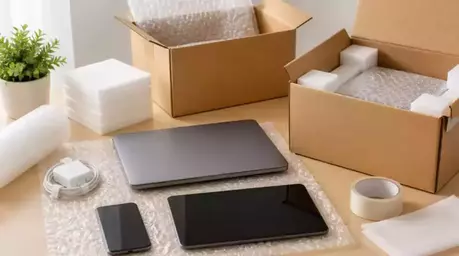
Protecting your furniture during transport is just as important as lifting it safely. Wrap large items in moving blankets or bubble wrap to safeguard against scratches and dents. A little care now can save you from costly repairs later!
Invest in heavy-duty furniture pads that can provide extra cushioning during moves. They help absorb shocks and keep your items safe. Plus, knowing that your belongings are well protected can give you added peace of mind!
When packing your truck or moving vehicle, always load the heaviest items first. This ensures stability and prevents lighter items from being crushed. It’s all about strategy and organization!
Moving in and out of apartments and narrow spaces can be particularly challenging. Always plan your route carefully, and consider using smaller furniture pieces or modular options to fit through tight spots.
If you’re assisting seniors or individuals with mobility challenges, it’s essential to consider their specific needs. Provide additional help and resources to make their move as stress-free and safe as possible.
Having a moving day checklist can keep you organized and ensure nothing is overlooked. And remember to check the weather forecast! Rain or snow can complicate your move, so be prepared with tarps or coverings to protect your items.
Avoid dangerous practices, like trying to lift too much at once or not asking for help. Ignoring the importance of safety gear can lead to injuries that may take you out of commission during your move.
Moving can be stressful, and it’s easy to feel rushed. However, hurrying through the process can lead to mistakes and accidents. Take your time, plan ahead, and remember that safety comes first!
When deciding between DIY moves and hiring professionals, consider your budget and the potential costs of both options. While DIY can save money, the risk of injuries could lead to unexpected expenses—like medical bills or property damage. For those considering eco-friendly options, remember to think about choosing rubbish removal in Sydney responsibly.
Researching moving companies can help you find reliable professional movers. Look for reviews and recommendations to ensure you’re working with trustworthy individuals who prioritize safety.
Before committing to a DIY move, honestly evaluate your physical readiness. If you’re unsure about lifting heavy items, it may be worth considering professional help. Remember, it’s okay to ask for assistance!
Lastly, don’t forget about moving insurance and local regulations. Understanding what covers your items during transport can save you stress if an accident occurs. Always do your research to protect yourself and your belongings!
Did you know? When moving heavy furniture, it’s beneficial to involve a team. Having a friend or family member assist you not only makes lifting easier but also allows for better communication and coordination, reducing the risk of accidents. Always discuss your plan before you start lifting to ensure everyone is on the same page!
As we reach the end of our journey through the ins and outs of moving heavy furniture, it’s time to recap the essential tips that can help you not only make your move smoother but also ensure your safety. From the right tools to proper techniques, each step plays a crucial role in a successful move. Remember, moving doesn’t have to be a stressful experience!
To help you remember the key points for safely moving heavy furniture, here’s a concise summary:
Having the right tools can truly transform your moving experience. Investing in equipment like dollies and sliders not only protects your back but also streamlines the entire process. Pair this with careful planning—like mapping out your route and ensuring all pathways are clear—and you'll set yourself up for success. Taking these steps reduces stress and makes moving feel like a breeze!
Remember, prioritizing safety during your move is essential, and it’s never too late to implement best practices. Over the years, I’ve seen how thoughtful planning and the right tools can make all the difference in creating a seamless relocation experience. So, take a deep breath, embrace these strategies, and feel empowered as you tackle your move!
As I always say at Move Smart AU, a little preparation goes a long way! By putting these techniques into action, you're not just making your move easier; you're also ensuring the safety of everyone involved. So gather your supplies, review your plan, and get ready for this exciting new chapter!
I’d love to hear about your moving experiences! Have you tried any of these tips? What worked for you, and what didn’t? Share your insights in the comments below or connect with us on social media. Together, we can create a community where we support one another through our moving journeys!
Here is a quick recap of the important points discussed in the article: