Moving can often feel overwhelming, but with the right strategies in place, you can turn a daunting process into a seamless transition. By understanding the essentials of packing and unpacking, you can reduce stress and make your new house feel like a home quicker than you might think!
Understanding the distinct phases of packing can greatly enhance your moving experience. Below is a visual representation of the essential tasks involved in each phase of the moving process. For more tips on getting organized before you pack, check out our guide on decluttering tips for moving in NSW.
Gather packing supplies and create a timeline.
Sort items by priority and pack systematically.
Coordinate logistics and ensure everything is ready to go.
Unpack and organize your new space.
Moving can feel like a huge task, but with the right approach, it becomes manageable! The key to a smooth moving experience is understanding what to pack first. By prioritizing your packing and following a clear timeline, you can minimize stress and make your transition into a new space much easier. Let’s explore how to break down the packing process step-by-step!
When you think about moving, it’s not just about throwing things into boxes. There are distinct phases to consider, each with specific tasks. Understanding these phases will help you stay organized and on track. Here’s a quick overview of the moving phases:
Your timeline is crucial for effective packing. Establishing when to start packing can greatly impact your stress levels. Aim to begin packing at least eight weeks before your move. This gives you ample time to address every room without feeling rushed. Planning ahead can also help you declutter as you pack! For more detailed advice on managing your move efficiently, check out our smart packing guide.
At the eight-week mark, focus on packing items you won’t need until after your move. This includes seasonal clothing, holiday decorations, and rarely used appliances. By tackling these off-season items first, you lighten your load and free up space for essentials you’ll need in the weeks leading up to your move.
Four weeks before moving day, it’s time to get serious about packing! Start with non-essentials from each room. This could include books, decor, and kitchen gadgets you rarely use. Packing these items now will help to ease the chaos as your move approaches.
After all the packing, the first night in your new home should be as stress-free as possible! To achieve this, prepare an “open-first” box filled with essential items you’ll need right away. This box will save you from rummaging through all your packed belongings when you’re tired.
Think about what you’ll need immediately upon arriving at your new home. Your open-first box should contain items that will help you settle in. Here’s what I recommend including:
To ensure you don’t forget anything, create a packing list for your essentials box. This list will help you stay organized and provide peace of mind. Consider adding the following:
Packing for a family or pets brings additional layers of complexity. It’s important to consider the needs of everyone, including furry friends! By planning for each member of your family, you can ensure a smoother transition.
When moving with children, focus on their comfort. Besides toys, think about including their favorite blankets or stuffed animals. These items can provide a sense of security in a new environment. Make the move exciting by letting them help pack their special items!
Your pets also deserve special attention during your move! Be sure to pack their essentials, including food, water, and any medications. Familiar items such as their bed or blanket can help ease their stress in the new home. For more detailed advice on moving with your animal companions, read our article on moving with pets: packing tips.
With technology at our fingertips, there are many digital tools available to streamline your packing process. Apps and online resources can help you stay organized and reduce the chaos that often comes with moving.
Consider using inventory management apps to keep track of what you're packing. These apps allow you to categorize items and even take photos for reference. This can save you time and effort when searching for specific items later on!
Virtual checklists are another great tool. They can guide you through the packing process step-by-step and help ensure nothing is overlooked. Plus, many apps provide tips on cost-saving packing methods!
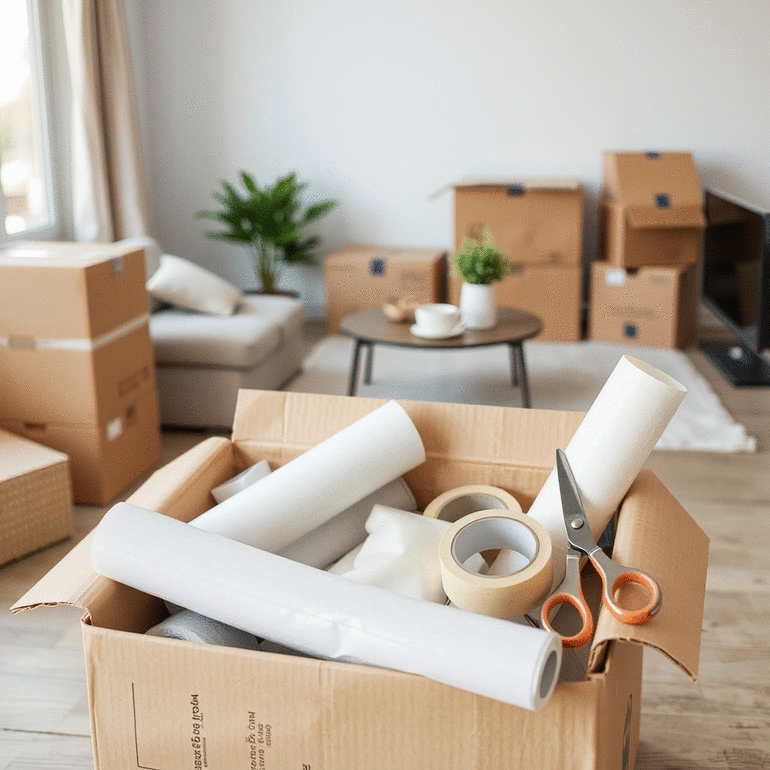
Having the right packing supplies is vital for a successful move. Below is a list of the essential items you should gather before you start packing:
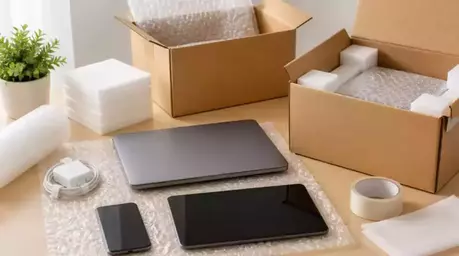
Make sure you have sturdy moving boxes and high-quality packing tape. Bubble wrap is also essential for protecting fragile items. I often recommend that my clients stock up on these materials early to ensure they’re ready to get started!
To safeguard larger pieces of furniture, invest in furniture pads and moving blankets. These supplies can prevent scratches and damage during the move. Don’t forget to cover those beloved family heirlooms!
Using a label maker or pre-made moving labels can help keep your packing organized. Clearly labeling each box with its contents and the room it belongs to will save you a lot of hassle on moving day and when unpacking!
By taking the time to plan and organize your packing, you set the stage for a more relaxed and efficient moving experience. Remember, at Move Smart AU, I’m here to help guide you through every step of your relocation. Happy packing!
Did you know? Packing a “first-night” kit can make your arrival at your new home much smoother. This kit should include essential items like toiletries, a change of clothes, and important documents. Having these necessities easily accessible will save you from searching through numerous boxes after a long day of moving!
After the whirlwind of moving, it’s time to focus on unpacking and making your new space feel like home. This phase can be just as overwhelming as packing, but with the right strategies in place, it doesn’t have to be! Let’s dive into how you can make your unpacking experience smooth and stress-free.
First, creating an efficient timeline will help you prioritize what to unpack first. Consider the rooms and items you'll need right away, and tackle those first. Unpacking in a structured way can make the whole process more enjoyable, so let’s break it down!
Establishing a timeline for unpacking can simplify a seemingly chaotic process. Think about what your family needs most in those first few days. Here’s a quick guide to help you prioritize:
By focusing on these key areas, you can transition into your new home with ease. It’s all about making your space functional right from the start!
When you step into your new home, consider the order of unpacking. Here’s a simple breakdown of how to tackle each room:
By prioritizing your unpacking this way, you’ll create a comfortable space for yourself and your family faster. Trust me, it makes a world of difference!
Now that you’ve unpacked the essentials, it’s time to turn your house into a home! Personal touches and comfort items can make a big impact. Here are some ideas to get started:
These touches will help you feel more settled and connected to your new environment, making it truly yours!
As you unpack, questions about what to include in your essentials kit may arise. This is a common concern, especially for those new to moving. Let’s address some frequently asked questions!
Having a moving essentials kit ready can save you time and hassle during your unpacking phase. Here’s a quick list of must-have items:
By preparing this kit in advance, you’ll have everything you need without scrambling through boxes!
Moving during certain seasons can pose unique challenges, and being prepared is key. Here are some tips:
These strategies can ensure that you transition seamlessly, no matter the season!
Keeping track of important documents during a move is crucial. You don’t want to misplace vital paperwork like licenses or lease agreements! Here’s how to stay organized:
It’s best to have a dedicated folder or box for important documents. Consider these items:
Keeping these documents safe and in one place will ease your mind as you settle in. Speaking of organization, explore our guide on simple box labeling tips to further streamline your move.
When packing personal items, organization is key! Here’s a checklist to help you:
Having these essentials unpacked and organized will set you up for success in your new home!
After unpacking, it’s time for the final touches. This is the fun part where you truly make your new home feel like your own!
Make sure to set up your utilities promptly. Here’s a quick checklist:
Updating your address with banks, subscriptions, and other services will also help eliminate confusion as you settle in. If you're also looking into ways to dispose of unwanted items, our article on choosing rubbish removal in Sydney can provide useful insights.
Finally, take a moment to organize your kitchen, bathroom, and bedroom essentials. A great way to do this is:
These little touches will make your new place feel warm and inviting in no time!
By following these unpacking strategies, you can significantly reduce the stress that often accompanies moving. It’s all about planning and prioritizing to ensure a smooth transition. Remember, every little step counts! For more tips on making your move efficient, check out our guide on efficient packing for quick moves.
Here are some key takeaways to keep in mind as you embark on your moving journey:
Finally, I’d love to hear from you! Share your moving tips and experiences with our community at Move Smart AU. Remember, we’re in this together, and your insights can help others navigate their relocations more smoothly. Happy moving!
Here’s a quick recap of the important points discussed in the article: