
Home >

Sustainable Relocation: Simple Promotion Tips

Sustainable Relocation: Simple Promotion Tips

Sustainable Relocation: Simple Promotion Tips
Clara Thompson | 2026-07-05

What if your next move could make a positive difference for the planet? Embracing sustainable relocation practices not only helps the environment but also fosters a sense of community responsibility. Let's explore how each step of your moving process can align with eco-friendly values.

What You Will Learn

  • Understanding Sustainability: Learn how to define and implement sustainable practices during your relocation, such as using eco-friendly packing materials and choosing responsible waste disposal methods.
  • Environmental Impact Awareness: Recognize the environmental effects of traditional moving methods, including waste generation, carbon emissions, and resource consumption.
  • Carbon Footprint Reduction Strategies: Discover essential strategies to lower carbon emissions during your move, including planning ahead and using fuel-efficient vehicles.
  • Post-Move Sustainability: Set up composting and recycling systems in your new home to create an eco-friendly lifestyle that influences your family.
  • Community Engagement: Understand the importance of getting involved in local sustainability initiatives and exploring community resources that promote eco-friendly living.
  • Incorporating Sustainable Design: Learn how to integrate sustainable design elements into your new home, such as energy-efficient appliances and sustainable materials.
  • Psychological Aspects of Sustainability: Explore how adopting a sustainable mindset can enhance your family's connection to the environment and promote a zero-waste ethos.
  • Financial Benefits of Eco-Friendly Practices: Discover how sustainable moving methods can lead to long-term savings and increased efficiency, both environmentally and financially.
  • Actionable Steps for Sustainable Moving: Create a timeline-based checklist and immediate action steps to facilitate a smoother, eco-friendly move.

Environmental Impact of Traditional Moving vs. Sustainable Practices

Explore the differences between traditional moving methods and sustainable practices, focusing on waste generation, carbon emissions, and resource consumption.

Traditional Moving Methods

  • Waste Generation: Millions of boxes end up in landfills every year.
  • Carbon Emissions: Moving trucks contribute significantly to air pollution.
  • Resource Consumption: New packing materials deplete natural resources.

Sustainable Moving Practices

  • Use eco-friendly packing materials to reduce waste.
  • Opt for moving companies that prioritize sustainability.
  • Implement responsible waste disposal methods promoting recycling.

Carbon Footprint Reduction Strategies

  • Plan ahead to minimize trips needed during the move.
  • Use fuel-efficient vehicles for transportation.
  • Consider local moves to reduce travel distance.

Long-Term Benefits of Sustainable Practices

  • Reduced disposal costs with eco-friendly packing.
  • Energy-efficient methods lower fuel costs.
  • Quality reusable items save money over time.

Understanding the Importance of Sustainable Relocation Practices

When we think about moving, our minds often jump to packing and logistics. But have you ever considered the impact your relocation has on the environment? At Move Smart AU, we believe that understanding the importance of sustainable relocation practices can reshape how we approach moving. Incorporating eco-friendly methods not only reduces waste but also sets a positive example for our communities.

So, what exactly does sustainability mean in the context of relocation? To put it simply, sustainability in moving refers to the practices that minimize our environmental footprint. This encompasses everything from the materials we use for packing to how we handle waste and even the companies we choose to assist with our moves. By prioritizing sustainable strategies, we can make a significant difference in reducing the overall impact of our relocations.

Defining Sustainability in the Relocation Process

Sustainability is all about being mindful of our choices and their consequences on the environment. In the relocation process, this means:

  • Using eco-friendly packing materials that reduce waste. For more tips on this, check out our guide on sustainable packing options for moving.
  • Opting for responsible waste disposal methods that promote recycling and reusing.
  • Choosing moving companies that prioritize sustainability in their operations.

By integrating these practices, we can create a moving experience that not only serves our needs but also respects our planet. It’s an opportunity to make a positive change and inspire others to do the same!

Environmental Impact of Traditional Moving Methods

Traditional moving methods often come with a hefty environmental price tag. From the excessive use of cardboard boxes to the high carbon emissions from trucks, the consequences can be significant. Here are a few key impacts:

  • Waste Generation: Millions of boxes end up in landfills every year.
  • Carbon Emissions: Moving trucks contribute to air pollution and greenhouse gas emissions.
  • Resource Consumption: The production of new packing materials depletes natural resources.

By recognizing these impacts, we can take steps to minimize our own footprint. It's not just about moving from one place to another; it's about how we get there.

Carbon Footprint Reduction in Relocation

Reducing our carbon footprint during a move isn’t just a noble goal; it’s essential for a healthier planet. To effectively lower your carbon emissions while relocating, consider these strategies:

  • Plan Ahead: Organizing your move can greatly reduce the number of trips needed.
  • Use Fuel-Efficient Vehicles: Choose moving companies that operate eco-friendly trucks.
  • Consider Local Moves: Staying within the community can cut down on travel distance. For more ways to reduce waste and carbon emissions, consider learning about choosing rubbish removal in Sydney.

At Move Smart AU, I’m passionate about helping you implement these strategies. By making conscious choices, we can all contribute to a greener future!

Establishing Sustainable Systems Post-Move

Once the moving truck pulls away, it’s time to settle into your new home with sustainability in mind. Establishing eco-friendly systems like composting and recycling can make a big difference. It’s not just about relocating; it’s about creating a lifestyle that respects the environment. Plus, it sets a positive example for everyone in your household!

Start by setting up a recycling system that works for you. Research your local recycling guidelines to ensure you’re following best practices. You can also dedicate a spot in your kitchen for composting. This not only reduces waste but creates nutrient-rich soil for your plants. Do you have kids? Involving them in these processes can help them understand the importance of being eco-conscious.

Setting Up Composting and Recycling in Your New Home

Creating a sustainable home is easier than you might think! Here are some simple steps to establish composting and recycling:

  • Identify designated areas for recycling bins and compost.
  • Use clear labels on bins to avoid confusion and promote proper disposal.
  • Research local composting services if you can’t do it at home.
  • Educate your family about what can and cannot be recycled.

Integrating these systems as soon as you move in can help make them a routine part of your daily life. Remember, every small action contributes to a larger environmental impact!

Researching Local Sustainability Practices

Understanding your new community’s sustainability efforts can inspire you to become involved. Many areas offer programs and initiatives that support eco-friendly living. Don’t hesitate to dig into what’s available nearby!

  • Check local government websites for sustainability programs.
  • Look for community gardens or clean-up events.
  • Join local social media groups focused on sustainability.
  • Explore farmers' markets that emphasize eco-friendly practices.

By participating in your local sustainability efforts, you can connect with like-minded individuals and contribute to a greener community. It’s all about creating a network of support!

Incorporating Sustainable Home Design Elements

As you settle in, consider integrating sustainable design elements into your new space. This not only enhances your home but also aligns with your eco-friendly values:

  • Choose energy-efficient appliances.
  • Opt for sustainable materials like bamboo flooring or recycled glass countertops.
  • Maximize natural light to reduce electricity usage.
  • Incorporate plants that can improve air quality.

These choices can transform your home into a haven of sustainability while also improving your well-being. Every detail counts when it comes to reducing your ecological footprint!

Encouraging a Mindset Shift Towards Sustainability During Moving

Moving is a great opportunity to reassess your habits and embrace a more sustainable mindset. This shift is not just about the actions you take, but also about changing how you think about the environment. At Move Smart AU, we encourage everyone to consider their impact on the planet, especially during transitions.

Getting your family on board with eco-friendly practices can be a fun challenge. Talk about why sustainability matters and how everyone can contribute. It’s a chance to grow together and make a positive change!

Understanding the Psychological Aspects of Eco-Friendly Practices

Adopting a sustainable mindset can be more than just a trend; it’s about fostering a meaningful connection with your environment. Here are some points to consider:

  • Recognize the role of community in promoting sustainability.
  • Reflect on how your choices impact future generations.
  • Celebrate small victories in reducing waste.
  • Discuss the emotional benefits of living sustainably, like reduced stress and increased well-being.

Understanding these psychological aspects can deepen your commitment to sustainable practices, making them a natural part of your life.

Fostering a Zero-Waste Mindset Among Household Members

Encouraging a zero-waste mindset doesn’t have to be overwhelming; it can be a collective family goal. Here’s how to get everyone involved:

  • Hold family discussions about waste reduction strategies.
  • Create fun challenges to track waste reduction progress.
  • Share resources and tips on zero-waste living.
  • Involve everyone in decision-making regarding purchases and disposals.

By fostering this mindset, you create an environment where everyone feels empowered to contribute and make a difference.

Promoting Minimalism as a Sustainable Living Practice

Minimalism can go hand-in-hand with sustainability. The less you own, the less you have to dispose of! Here are some tips to promote minimalism:

  • Encourage your family to evaluate their belongings regularly.
  • Practice mindful purchasing decisions—only buy what you truly need.
  • Organize “swap” events with friends to exchange items.
  • Emphasize experiences over material possessions.

Integrating minimalism into your lifestyle can lead to less clutter and a clearer mind, making your new home feel even more inviting.

Calculating Long-Term Benefits of Sustainable Moving

Investing in sustainable moving practices pays off in the long run, not just for the planet but for your wallet too! It’s essential to evaluate the financial implications of your choices.

Take the time to examine how eco-friendly practices can lead to savings and efficiency. By doing so, you'll be pleasantly surprised at the benefits that come from being green!

Cost Comparisons: Traditional vs. Eco-Friendly Moves

When planning your move, consider the financial impact of traditional vs. eco-friendly practices:

  • Eco-friendly packing materials often reduce costs associated with disposal.
  • Energy-efficient moving methods can cut fuel costs.
  • Investing in quality reusable items can save you money in the long term.
  • Traditional moving practices often lead to higher disposal fees.

By weighing these factors, you’ll see that sustainable choices can lead to significant savings!

Highlighting Financial Savings Through Energy Efficiency

Energy efficiency is an essential component of a sustainable lifestyle. Not only does it help reduce your carbon footprint, but it also leads to lower utility bills:

  • Invest in energy-efficient appliances—these save money over time.
  • Consider solar energy options for your home.
  • Seal windows and doors to save on heating and cooling costs.
  • Use LED lighting to decrease electricity usage.

These small changes can have a big impact on your monthly expenses!

Long-Term Benefits of Sustainable Transportation Methods

Choosing sustainable transportation methods can provide long-term financial and environmental benefits. Here’s what to think about:

  • Using public transportation or carpooling can save on gas.
  • Walking or biking reduces wear and tear on personal vehicles.
  • Investing in an electric vehicle can lower fuel and maintenance costs.
  • Engaging in local travel encourages community connections.

Transitioning to these methods not only enhances personal savings but fosters a healthier planet!

Taking Action for a Greener Relocation Experience

Taking the plunge into sustainable moving practices requires planning and commitment. But don’t worry, I’m here to guide you through it! Creating a timeline-based checklist can help make the process smoother and more manageable.

What steps can you take today to start your eco-friendly moving journey? Let’s explore some practical ideas together!

Creating a Timeline-Based Checklist for Sustainable Moves

A timeline can serve as your roadmap to a successful eco-friendly move. Here’s a sample checklist to get you started:

  • 8 Weeks Before: Start decluttering and researching local recycling options.
  • 6 Weeks Before: Gather reusable packing materials.
  • 4 Weeks Before: Research sustainable moving companies and book your date.
  • 2 Weeks Before: Create your timeline for unpacking and establishing recycling systems.

Having a plan will help reduce stress and keep you focused on your eco-friendly goals!

Encouraging Immediate Steps to Start Decluttering

Why wait? Start decluttering today! Here are some immediate steps you can take:

  • Set a timer for 15 minutes and tackle one small area.
  • Use the Keep, Donate, Sell, Recycle, Dispose framework to guide decisions.
  • Involve your family in decluttering efforts to make it a fun activity!
  • Consider a garage sale for items you no longer need. For more tips, check out our guide on decluttering tips for moving in NSW.

Getting started now can create momentum and set the stage for a smoother move!

Engaging with Environmental Advocacy Groups in Your Community

Finally, consider connecting with local environmental advocacy groups. Here’s how to get involved:

  • Attend community meetings focused on sustainability.
  • Volunteer for local clean-up events or tree planting initiatives.
  • Share tips and resources with others to foster a supportive community.
  • Stay informed about local environmental policies and initiatives.

Being part of these groups can strengthen your commitment to sustainability while allowing you to connect with others who share your passion. Together, we can make a difference!

Frequently Asked Questions About Sustainable Relocation

Q: What are sustainable relocation practices?
A: Sustainable relocation practices involve minimizing your environmental footprint during a move. This includes using eco-friendly packing materials, opting for responsible waste disposal, choosing sustainable moving companies, and reducing carbon emissions.
Q: How can I reduce my carbon footprint during a move?
A: To reduce your carbon footprint, plan your move ahead to minimize trips, use fuel-efficient vehicles, and consider local moves to cut down on travel distance.
Q: What are some eco-friendly packing materials?
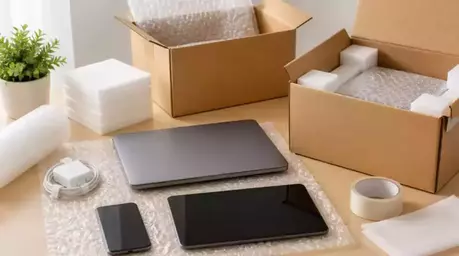
A: Eco-friendly packing materials include reusable blankets, boxes, and bubble wrap. You can also use items you already own, such as towels or old newspapers, to protect fragile items.
Q: How can I establish sustainable systems in my new home?
A: Set up designated areas for recycling and composting. Research local guidelines for waste disposal and educate your family on what can and cannot be recycled. Consider integrating energy-efficient appliances and maximizing natural light.
Q: What are the long-term benefits of sustainable moving?
A: Sustainable moving practices can lead to reduced disposal costs, lower fuel expenses due to energy-efficient methods, and long-term savings from investing in reusable items. They also contribute to a healthier planet and a stronger community.
Q: How can I encourage a zero-waste mindset in my household?
A: Hold family discussions about waste reduction, create fun challenges to track progress, share resources on zero-waste living, and involve everyone in purchasing and disposal decisions. Promoting minimalism can also help reduce waste.

Recap of Key Points

Here is a quick recap of the important points discussed in the article:

  • Embrace Eco-Friendly Packing: Use sustainable materials to minimize waste during your move.
  • Choose Responsible Moving Options: Select moving companies that prioritize sustainability and utilize fuel-efficient vehicles.
  • Plan Ahead: Organize your move to reduce trips and carbon emissions.
  • Establish Sustainable Systems: Set up recycling and composting in your new home to promote eco-friendly habits.
  • Engage with Your Community: Participate in local sustainability programs and initiatives to inspire collective action.
  • Foster a Sustainable Mindset: Encourage your family to adopt eco-friendly practices and promote minimalism as a lifestyle choice.
  • Analyze Long-Term Benefits: Consider the financial savings associated with sustainable moving practices and energy efficiency.
  • Take Action: Create a timeline-based checklist for your move and engage with local environmental advocacy groups to amplify your impact.
Subscribe & Share

About Move Smart AU

We are dedicated to helping you achieve a stress-free and eco-friendly relocation across New South Wales. From decluttering to settling in, we provide expert guidance every step of the way!