Cardboard and Packaging Materials
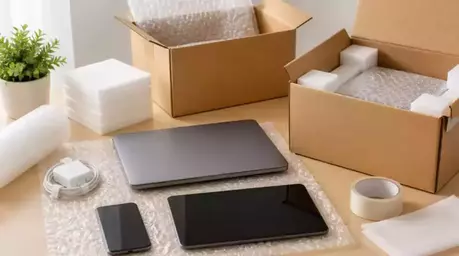
Lightweight and protective, these materials are essential for packing but create significant waste.

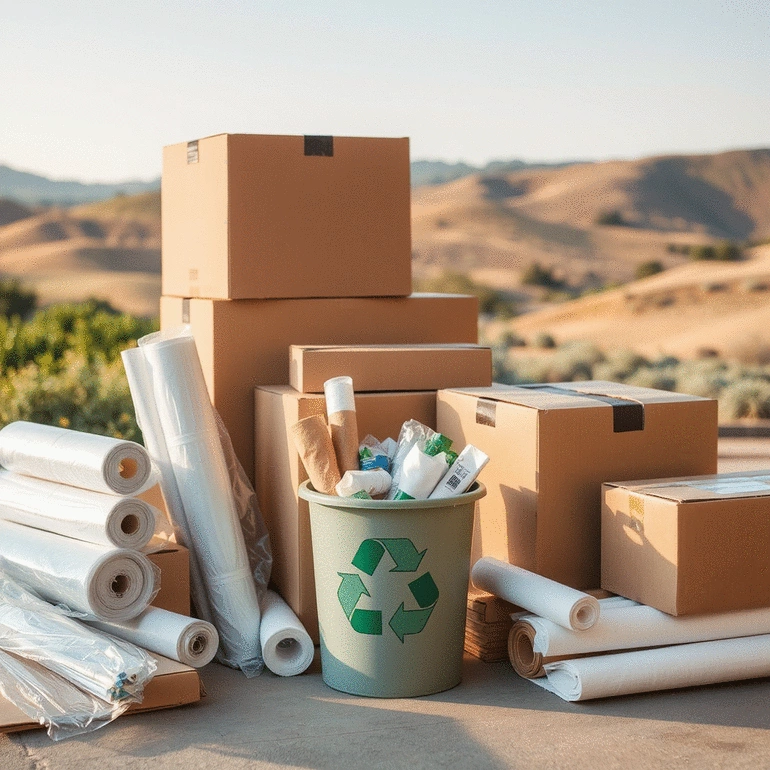
As we embark on the journey of moving, have you ever thought about the impact your transition has on the environment? Managing waste effectively during a move not only lightens your load but also contributes to a sustainable future.
Understanding the different types of waste can help us manage our moving process more efficiently and ecologically. For more detailed guidance on minimizing waste, consider checking out resources on declutter tips for moving in NSW.
Lightweight and protective, these materials are essential for packing but create significant waste.
Often replaced during moves, furniture contributes to bulky waste that requires proper disposal.
Old devices may become e-waste if not recycled or disposed of properly.
Items like paint and cleaning supplies require special disposal methods to prevent environmental harm.
Moving is an exciting journey, but it also creates a unique challenge: managing waste. As you pack your belongings and prepare for a new beginning, it’s important to recognize the different types of waste generated during this process. By understanding these waste types, we can make informed decisions about how to minimize our environmental impact and promote eco-friendly practices during relocations.
During a move, you might find yourself surrounded by a variety of items that need to be disposed of properly. From cardboard boxes to old furniture, the waste created can feel overwhelming. This is where the knowledge from Move Smart AU comes into play. I believe that with a little planning, we can tackle this challenge head-on and make responsible choices, perhaps even by incorporating sustainable packing options for moving.
Moving activities often lead to a specific set of waste types because of the various materials used in packing and transporting items. Here are some reasons why this happens:
Understanding these categories helps us identify the best recycling and disposal strategies for each type. It’s not just about getting rid of things; it’s about finding sustainable ways to handle our moving-related waste!
As you prepare for your move, consider which common items can be recycled instead of thrown away. Here’s a helpful list of items you can recycle:
By recycling these items, you not only reduce waste going to landfills but also help promote a greener environment. As we at Move Smart AU always emphasize, every small effort counts! Let’s commit to making our relocations as eco-friendly as possible.
Now that we understand the types of waste generated during a move, let's explore effective recycling strategies for managing those materials. There are many options available, each tailored to different types of waste. Together, we can make our moves less stressful and more sustainable!
Stay tuned as we dive deeper into recycling options for packing materials, furniture, electronics, and hazardous waste—ensuring every step of your relocation is aligned with eco-friendly practices!
When packing for your move, consider using eco-friendly packing materials. Biodegradable packing peanuts, recycled paper, and even towels or blankets can serve as effective cushioning for your items. Not only do these options reduce waste, but they also create a softer landing for your belongings during transit!
When it comes to moving, the focus often falls on logistics, but we can't forget about the waste generated during this process. At Move Smart AU, we are passionate about promoting eco-friendly practices, so let’s take a moment to recap the various recycling options available for your moving-related waste. By understanding these options, you can help protect our environment while making your relocation smooth and efficient!
Here are some key recycling options to consider during your move:
As you prepare for your move, remember these essential tips for effective waste management:
At Move Smart AU, we believe that every little bit counts. By implementing these waste management strategies, you not only facilitate a smoother moving process but also contribute positively to your community and the environment.
Now is the perfect time to take action! Start planning your waste management strategy today by checking out the resources available in your area. Having a plan in place will not only make your moving experience less overwhelming but also more sustainable.
Here are some handy resources you can explore for recycling and waste disposal services in the Central Coast region:
By utilizing these resources, you'll have access to the necessary tools for managing your waste responsibly!
Don't wait until the last minute—start decluttering and recycling now! Grab a box and take a few minutes each day to identify items you no longer need. This not only makes packing easier but also helps you embrace a more eco-friendly approach. As you sort through your belongings, remember that every item you decide to recycle or donate brings you closer to a stress-free move! You might find inspiration in exploring more decluttering tips for an eco-friendly move.
Finally, consider attending local workshops on recycling and upcycling. These events are informative and can offer new ideas for reusing items creatively, while also connecting with like-minded community members. Check out local listings for workshops happening in your area, and feel free to reach out to us at Move Smart AU for recommendations!
Get started today, and let's make your move as eco-friendly as possible!
Here is a quick recap of the important points discussed in the article: