Public Transportation Access
Reduces car dependency, leading to less congestion and lower emissions.

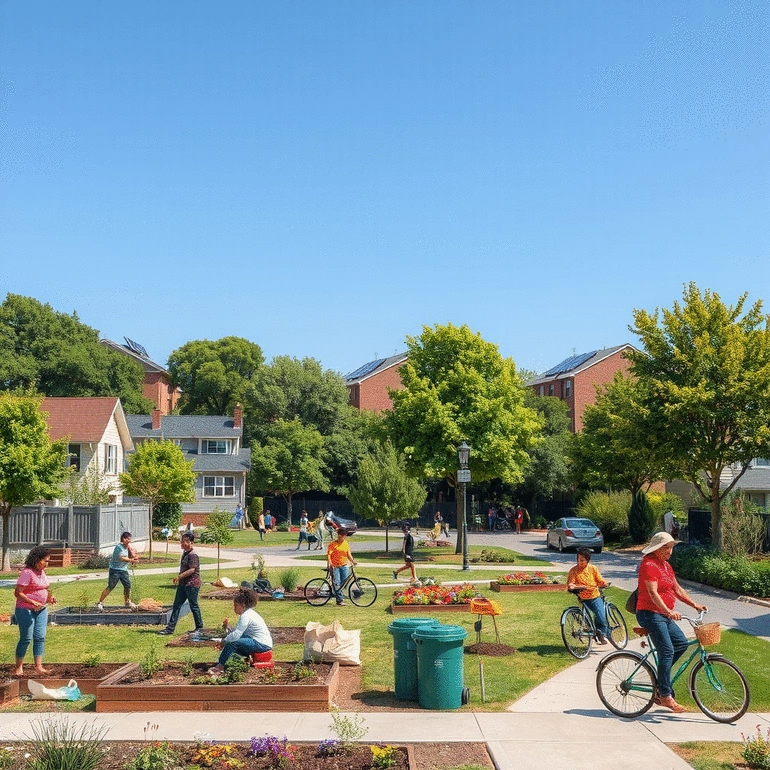
As we face unprecedented environmental challenges, the importance of transitioning to an eco-friendly neighborhood has never been clearer. In a world where every small action counts, how can we collectively foster sustainable communities that enhance our quality of life? The answer lies in our commitment to change.
Defining an eco-friendly neighborhood involves several important characteristics that contribute to sustainability and community health. For instance, prioritizing public transportation reduces reliance on personal vehicles, which in turn lowers emissions and alleviates traffic congestion. This commitment to sustainability extends to various aspects of community living, making your neighborhood a better place to live. To help you get started on your eco-friendly journey, check out these declutter tips for moving in NSW, as decluttering is often the first step towards a more organized and sustainable home.
Reduces car dependency, leading to less congestion and lower emissions.
Promote local food systems and enhance biodiversity within neighborhoods.
Implement recycling and composting to minimize landfill contributions.
Utilize renewable energy sources and sustainable construction practices.
As our planet faces unprecedented environmental challenges, it's crucial to recognize the significance of transitioning to an eco-friendly neighborhood. Not only does this shift benefit the environment, but it also enhances our quality of life. Imagine living in a community where clean air, green spaces, and sustainable practices are the norm—sounds great, right? That’s what we strive for at Move Smart AU, encouraging eco-friendly practices during relocations and beyond!
The climate crisis is not just a distant issue; it impacts us all, right here at home. Every community has a role to play in addressing this challenge. By taking proactive steps to transition to eco-friendly practices, we show we care for our planet and future generations. Everyone can contribute, no matter how big or small the action may seem!
It's essential to connect with our neighbors and share the responsibility. Here are some ways we can start:
An eco-friendly neighborhood is not just a trendy concept; it's a practical framework for living sustainably. Here are some defining characteristics that make a neighborhood eco-friendly:
At Move Smart AU, we believe in the power of community and the difference we can make together. Transitioning to an eco-friendly neighborhood is not only achievable but also rewarding! To further support this transition, considering sustainable packing options for moving can significantly reduce your environmental footprint during relocation.
Sustainable development plays a vital role in guiding the transition of neighborhoods toward eco-friendliness. By focusing on long-term health and well-being, we can create communities that thrive. This approach blends environmental, economic, and social considerations, ensuring a holistic transformation.
Here are some key components of sustainable development that can aid in this transition:
By focusing on these components, we can foster a sense of community and shared responsibility, leading us to a brighter, greener future. Let's work together to create neighborhoods we can be proud of, where every corner reflects our commitment to sustainability!
As we delve deeper into the importance of transitioning to an eco-friendly neighborhood, here’s a brief recap of the key points discussed so far:
Here are some common questions about transitioning to an eco-friendly neighborhood:
Transitioning to an eco-friendly neighborhood is a journey that requires collective effort and commitment from everyone involved. By taking small yet impactful steps, we can create vibrant communities that prioritize environmental sustainability. At Move Smart AU, we understand the significance of these transitions and how they can enhance not just our surroundings but also our quality of life!
It's essential to recognize that local actions can lead to a broader positive impact. Imagine your neighborhood thriving with green spaces, reduced waste, and accessible transportation options. When we work together, the cumulative effects of our initiatives can lead to a healthier planet and stronger community bonds. Each effort counts in the grand scheme of sustainability.
When we think about making our neighborhoods eco-friendly, we can see how our individual choices contribute to a larger goal. Here are some key areas where local actions can make a significant difference:
These actions may seem small, but together, they create a powerful ripple effect. Each person’s commitment to sustainability helps nurture a culture that values our planet and each other. As we cultivate these practices in our neighborhoods, we’re not only supporting the environment but also fostering a sense of community spirit! For more ideas on how to reduce your impact, consider these green moving tips for NSW.
Creating an eco-friendly neighborhood is an ongoing endeavor. It’s crucial to keep the momentum going, fostering engagement and encouraging residents to actively participate. Here are some strategies to maintain involvement:
At Move Smart AU, we believe that every voice matters in this journey. Keeping the conversation alive not only empowers participants but also helps to introduce new members to eco-friendly practices that can become part of their daily lives!
Now that you understand the importance of an eco-friendly neighborhood, it’s time to take action! The transition starts with each of us, and there are several practical steps you can take today. You might be wondering, “Where do I begin?” Don’t worry! I’ve got some simple suggestions to help you kickstart this exciting journey! For those looking to manage waste effectively, understanding choosing rubbish removal in Sydney can be a great starting point.
Here’s a quick list of steps to help you engage in your neighborhood’s eco-friendly transition:
Taking these steps not only contributes to a more sustainable community but can also provide you with a sense of purpose. Remember, each action you take helps pave the way for a brighter future!
To support your efforts, resources are available that can guide you through the process. At Move Smart AU, we offer helpful checklists and guides designed to simplify your eco-friendly transition:
These resources are designed to empower you with the knowledge you need to make a difference in your neighborhood. And remember, sharing these tools with your neighbors can amplify your community's collective impact! For more practical advice on minimizing waste, explore eco-friendly waste removal choices.
Supporting local businesses that prioritize sustainability is another fantastic way to contribute to your eco-friendly neighborhood! Look for businesses that carry eco-labels and green certifications, such as:
By choosing to shop at these businesses, you not only support their efforts but also encourage other local enterprises to adopt sustainable practices. Let’s work together towards a greener and more vibrant community!
Here is a quick recap of the important points discussed in the article: